Containment · Source removal
Mold remediation that removes the colony — not just the stain
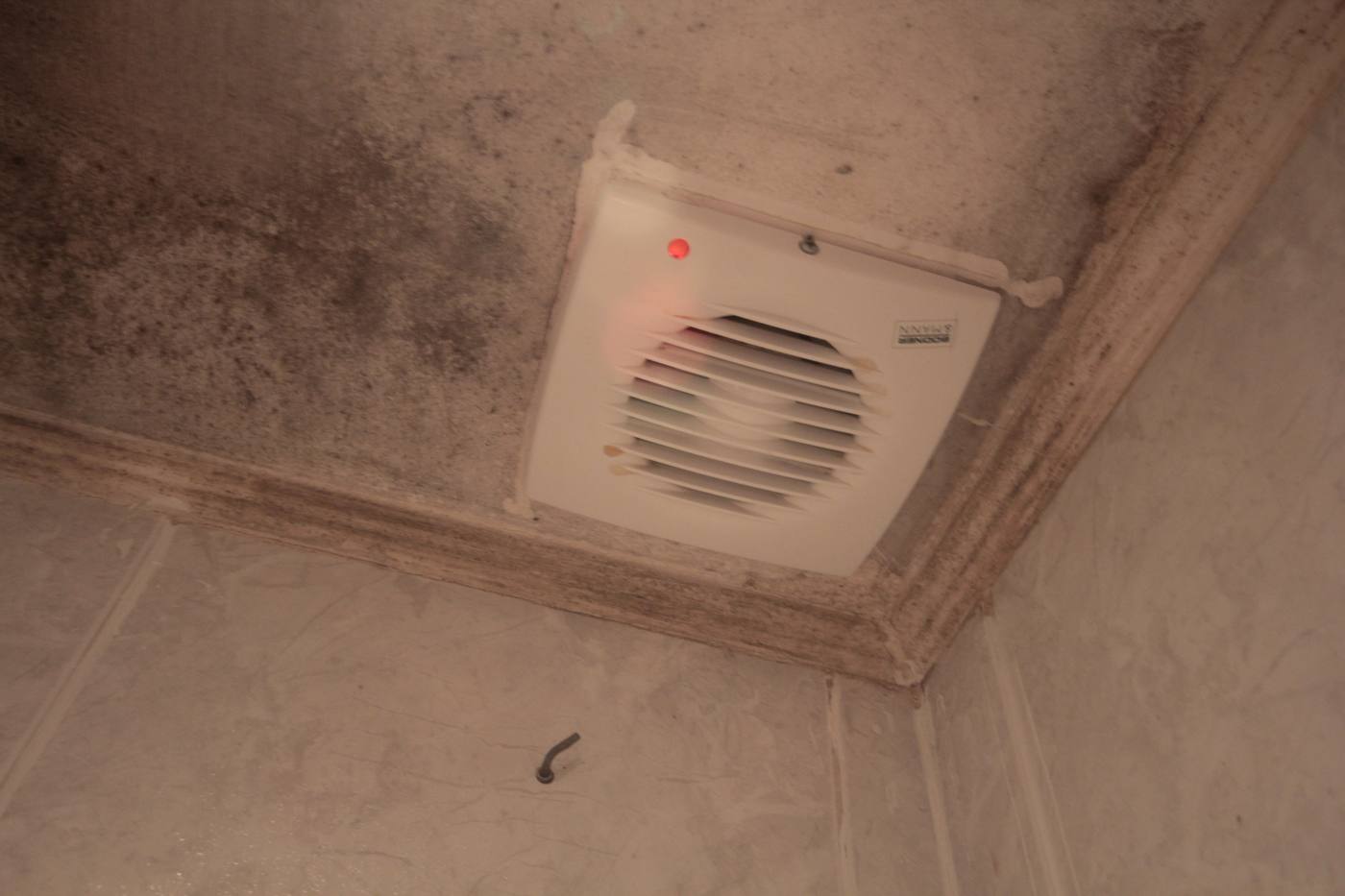
Bleach on a stained wall does not remediate mold. The colony lives in the paper face of the drywall and in the dust. We build containment, put the space under negative air, remove contaminated material, and HEPA-vacuum — then we fix the water that caused it so it does not return.
Professional mold remediation — containment, source removal, HEPA
Mold Remediation
- Full polyethylene containment and negative air
- Source removal, not surface spraying
- HEPA air scrubbing and vacuuming
- Optional independent clearance testing
- Attic, crawl space, and HVAC-adjacent growth
- We dry the source leak first
Why mold shows up in the Salt Lake Valley
A leak you already 'fixed'
The pipe is repaired. The wet insulation is still in the wall. Two weeks later the closet smells like a basement. That is the typical mold call we get.
Crawl spaces and swamp coolers
West-bench crawl spaces stay cool and dark. A dripping cooler line or irrigation overspray will colonize joists all summer.
Tight new construction
Modern envelopes trap humidity. Showers, cooking, and a wet slab with nowhere to go will spot the corners of closets.
Snowmelt roof leaks
Ice dams and failed flashing on the east bench wet insulation for weeks. By the time you see a ceiling stain, the attic may already be colonized.
What the job includes
- Inspection and moisture source diagnosis
- Written scope and photo documentation for the file
- Containment, negative air, and PPE
- Removal of contaminated drywall, insulation, and contents as needed
- HEPA cleaning of remaining surfaces
- Rebuild and optional third-party clearance
Questions we get on this work
Need the process spelled out? See how a job runs or how we handle insurance.